
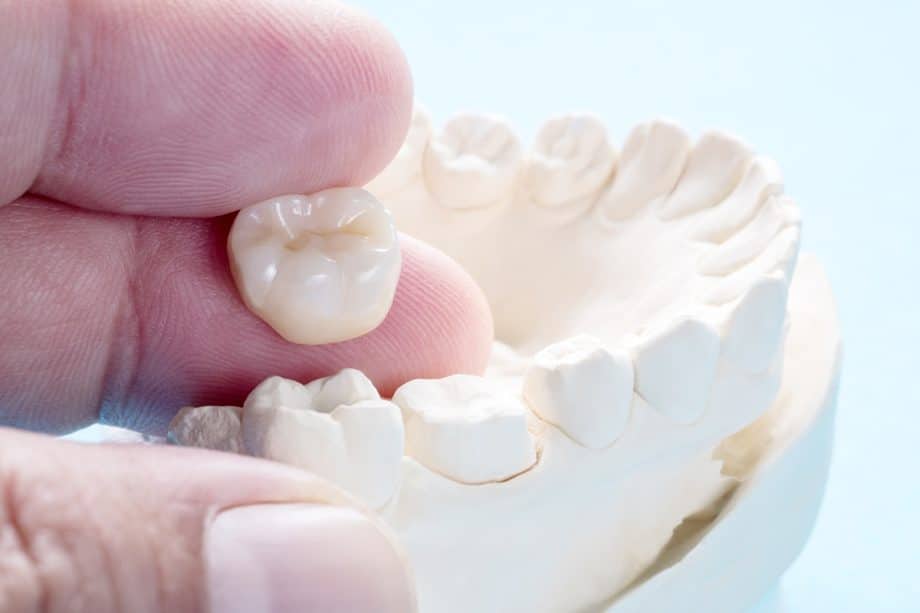
When parents first learn their child may need a crown on a baby tooth, it’s common to feel concerned or unsure. We often hear people say baby teeth are not important because they eventually fall out. The truth is, healthy baby teeth help children chew, speak clearly, and guide the right spacing for adult teeth.
In this guide, we explain what a baby tooth crown is, why your child’s dentist might recommend one, and how the treatment process works from start to finish. Our goal is to help families feel prepared at every step.
Why a Baby Tooth Crown May Be the Best Choice
Baby Teeth Do Important Work
Baby teeth are essential to everyday life—chewing food, speaking clearly, and holding space for future adult teeth. When a baby tooth falls out too soon, surrounding teeth can shift, making it harder for adult teeth to grow in straight.
Severe decay or damage can cause pain, infection, and trouble eating. When a filling wouldn’t be strong enough, a crown might provide the coverage and strength the tooth needs to function until it falls out naturally.
Dentists Often Recommend Crowns for Severe Damage
Dentists usually consider crowns for a baby tooth with a large cavity, break, or serious wear. Sometimes, a child needs a crown after a pulpotomy (a “baby root canal”). In those situations, the tooth often lacks enough healthy structure for a filling, so a crown fully protects it.
Kids with enamel defects, unusually shaped teeth, or a high risk for tooth decay may also benefit. In these cases, crowns last longer and are less likely to need frequent repairs than large fillings.
Crowns Can Support Both Function and Appearance
Some parents are concerned that crowns are just cosmetic. In reality, the main goal is to restore normal function and shield the tooth from further harm. However, appearance does matter, especially for front teeth and children’s confidence.
To explore options that combine health and aesthetics, parents might look into restorative and cosmetic dentistry. The treatment chosen will depend on the tooth’s location and the extent of damage.
What Types of Crowns Dentists Use on Baby Teeth
Stainless Steel Crowns for Back Teeth
For most baby molars, dentists rely on stainless steel crowns. They’re durable, reliable, and stand up well to chewing pressure—an important quality for back teeth. The American Academy of Pediatric Dentistry supports the use of stainless steel crowns for primary teeth with deep decay or after pulp therapy.
These crowns typically remain in place until the baby tooth falls out on its own, providing protection the whole time. That durability makes them a time-tested choice for many children.
Tooth-Colored Options for Visible Teeth
Front teeth matter for your child’s smile and confidence, so many families ask about white or tooth-colored crowns. Dentists can use composite, resin, or zirconia crowns to improve the look of damaged front teeth and, sometimes, for certain back teeth.
Not every tooth can receive a tooth-colored crown, though. Some materials require enough healthy tooth to hold them in place, and not all options work in spots that do heavy chewing.
The Right Choice Depends on the Tooth and the Child
Decisions about crown type depend on more than looks. Location, the amount of tooth left, your child’s bite, decay risk, and how long the tooth needs to last all matter. A molar that needs to stay in place for years might need a crown that differs from one on a front tooth.
Dentists also consider your child’s age and ability to sit through dental treatment. The main goal remains unchanged: to protect the tooth, reduce future issues, and keep care as easy as possible for your child.
What to Expect During the Crown Process
The Exam and Treatment Plan Come First
Everything starts with an exam and likely dental X-rays. X-rays show the full extent of a cavity, the roots, and any infection deep inside. With this information, the dentist decides if the tooth can support a crown or needs additional treatment.
If decay is extensive, your child may need a pulpotomy first—removing infected soft tissue from the tooth’s crown, then sealing it to keep the roots healthy. Only then does the dentist proceed with crown placement.
The Visit Usually Moves Quickly
A crown appointment often requires just one visit. The dentist numbs the area to ensure comfort, removes decay, and shapes the tooth to fit the crown. With stainless steel crowns, a prefabricated crown is selected and trimmed to create a snug, functional fit.
After verifying the fit, the dentist cements the crown into place. Pediatric dental teams work efficiently, making visits short for children and easing anxiety. Kids may feel pressure, but numbing keeps discomfort away.
Your Child May Need Time to Adjust Afterward
Mild soreness is normal after the procedure, but it shouldn’t last long. Most kids adapt to the feel of the crown within a few days, even if the bite feels different at first, especially with a crown on a molar.
Follow all aftercare instructions carefully—avoiding sticky foods and keeping up with brushing and flossing will help the crown last. Good hygiene also reduces the risk of decay at the crown’s edges.
How Crowns Help Protect Your Child’s Oral Health
Crowns Can Prevent Bigger Problems
A crown acts as a protective shield for a tooth that has lost much of its structure, keeping new decay, breakage, or infection at bay. If left untreated, a damaged baby tooth can lead to pain, abscess, or infection, increasing the risk of more complex treatment later.
Crowns help preserve a baby tooth until it’s ready to fall out naturally, reducing the need for a space maintainer and supporting proper dental development.
Strong Restorations Can Improve Daily Life
Children with painful teeth may avoid certain foods, favor one side while chewing, or feel shy about their smile. Crowns let kids eat, speak, and smile comfortably again.
Solid restoration also means fewer repeat dental procedures—offering relief and convenience for both parents and children, especially those anxious about dental visits.
Early Care Supports Long-Term Habits
When we address dental needs promptly, we teach our children healthy habits early. Prioritizing care, even for teeth that will fall out, helps shape lifelong attitudes about oral health.
Regular dental checkups after crown placement are important. The dentist will monitor the crown, gums, and the baby tooth as it starts to loosen. Consistent care enables early detection of issues.
Knowing When to Take the Next Step
If your child’s dentist recommends a crown on a baby tooth, the focus is on protecting that tooth until it’s naturally lost. Healthy baby teeth encourage proper chewing, clear speech, and healthy spacing for adult teeth.
We are here to help you make informed decisions. Understanding the reasons for a crown, what the procedure involves, and how to care for your child’s restored tooth empowers your family to approach dental treatment with greater confidence.
Frequently Asked Questions About Restorative and Cosmetic Dentistry
Why would a child need restorative dental treatment on a baby tooth?
A child may need restorative treatment if a baby tooth has decay, a crack, wear, or damage from injury. Dentists restore baby teeth to relieve pain, prevent infection, and help the tooth keep its place until the permanent tooth is ready to erupt.
Are crowns on baby teeth safe for children?
Yes, dentists commonly use crowns on baby teeth when the tooth needs more protection than a filling can provide. Pediatric dentists choose materials and techniques that fit children’s dental needs and support normal function.
Will a crown on a baby tooth fall out naturally?
Yes. In most cases, the crown stays attached to the baby tooth until the tooth becomes loose and falls out naturally. When the baby tooth comes out, the crown comes out with it.
What is the difference between restorative and cosmetic dentistry for children?
Restorative dentistry focuses on repairing teeth and protecting oral health. Cosmetic dentistry focuses more on appearance. In pediatric care, many treatments can support both goals simultaneously, especially when a damaged front tooth needs to look and function better.
How do we care for a child’s dental crown at home?
We care for a child’s crown by helping them brush twice a day with fluoride toothpaste, floss as directed, and avoid very sticky foods if the dentist recommends it. We also keep regular dental visits so the dentist can check the crown and the surrounding tooth and gums.
We care for infants, children, teens, and patients with special health care needs through every stage of dental growth. At ABQ Pediatric Dentistry, we focus on preventive and restorative care that helps families feel informed and supported. To schedule a visit or learn more, get in touch with us.