
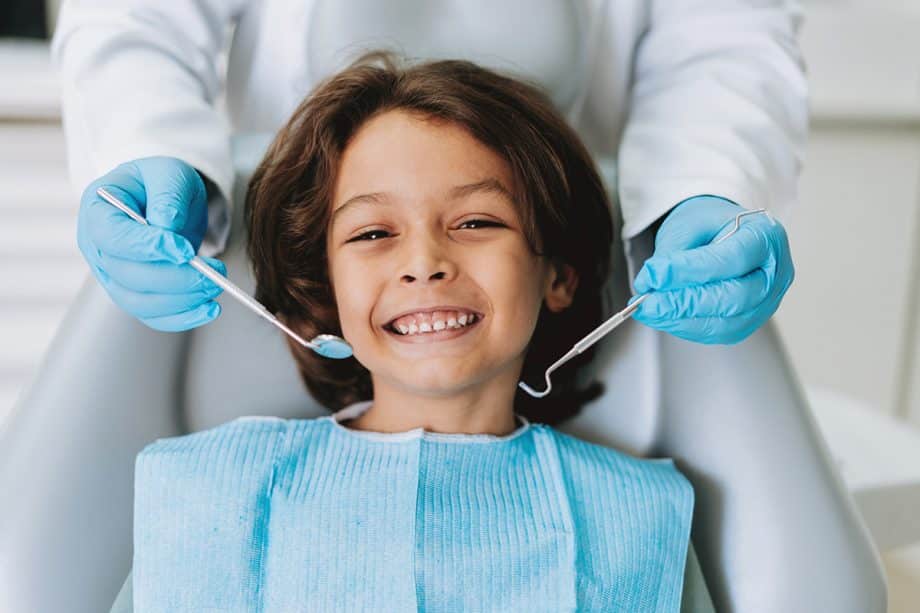
As parents, you may have encountered a range of conflicting information about early orthodontic care for your child. Many families wonder whether early intervention truly helps or simply accelerates a process that could wait. We are here to provide clear, factual guidance — delivered with the warmth and transparency your family deserves.
The American Association of Orthodontists recommends that every child receive an orthodontic evaluation by age 7. An early visit does not always lead to immediate treatment. More often, it allows us to carefully observe how your child's teeth and jaws are developing, so we can intervene only when doing so offers a genuine benefit. Below, we address three of the most common misconceptions so you can approach your child's orthodontic care with confidence.
Myth 1: Early Treatment Means Braces Right Away
Many parents assume that an early orthodontic evaluation will result in braces being placed straightaway. In reality, an early evaluation rarely leads to immediate treatment. In most cases, we simply monitor your child's dental development over time and revisit the conversation as they grow.
What an Early Evaluation Actually Involves
When you bring your child in around age 7, we carefully examine how the primary (baby) teeth are shedding and how the permanent (adult) teeth are erupting. We assess the bite, the spacing between teeth, and the alignment of the jaws. For many children, our recommendation is to continue routine monitoring at regular checkups. We believe in acting only when treatment provides a clear, meaningful benefit — and never before that point.
When Early Intervention Is Warranted
There are circumstances in which early care makes a significant difference. We may recommend interceptive orthodontics — a targeted approach to addressing a developing concern while your child still has both primary and permanent teeth. Early intervention can guide jaw growth, create space for crowded teeth, or correct oral habits before they negatively affect the bite. We take care to explain our clinical reasoning clearly so you feel fully informed about every recommendation we make for your child.
Myth 2: Children Should Wait Until All Permanent Teeth Have Erupted
Waiting for all adult teeth to come in may feel like the most cautious approach, and we understand that instinct. However, for certain bite concerns, timing is a critical factor. Addressing some issues earlier in a child's development can make subsequent treatment more straightforward and less extensive.
Why the Window of Growth Matters
During the early school-age years, a child's jaw is still actively growing — and that growth presents a valuable opportunity to guide development in a positive direction. Concerns such as a crossbite (a condition in which the upper and lower teeth do not close together properly), significant crowding, or a protruding front tooth often respond more favorably to early, gentle guidance. By working in harmony with your child's natural development, we may reduce the complexity of any later treatment.
The Implications of Delayed Treatment
For the majority of children, a watchful waiting approach is entirely appropriate, and we will communicate clearly when that is our recommendation. For a smaller subset of patients, however, postponing treatment of a significant bite concern may lead to more complex corrections down the road — in some cases increasing the likelihood of tooth extraction or more involved intervention. Our priority is always to identify the right timing for your child — neither rushing ahead of schedule nor waiting beyond the point at which early care would be most effective. We are committed to making that determination alongside you.
Myth 3: Early Orthodontic Treatment Is Primarily About Appearance
A well-aligned smile is certainly a meaningful outcome, but early orthodontic care serves purposes that extend well beyond aesthetics. Proper alignment directly supports how your child chews food, produces speech, and maintains oral hygiene daily.
The Functional and Health Benefits of Early Alignment
Crowded or misaligned teeth are more difficult to clean thoroughly, which can elevate the risk of cavities and gum disease over time. A bite that does not close properly may cause discomfort during chewing or result in uneven wear on tooth surfaces. When we guide your child's alignment early, we are investing in their long-term oral health — not simply in the appearance of their smile.
Supporting Your Child's Confidence and Well-Being
We also recognize that how your child feels about their smile matters deeply. Certain bite concerns can affect speech clarity or contribute to self-consciousness during the formative years when peer relationships and personal confidence are developing. Helping your child feel comfortable and confident in their smile is an important part of the compassionate, family-centered care we provide to every patient we see.
Supporting Your Child's Healthy Smile — at the Right Time
You have taken an important step by seeking out accurate information before making decisions about your child's orthodontic care. Early intervention is rarely about rushing into treatment — it is about careful observation, thoughtful planning, and acting with precision when the timing truly serves your child's development. An evaluation around age 7 provides us with the clinical information we need to support healthy growth over the long term. Whether your child requires treatment now, in the future, or not at all, we are committed to explaining every step in clear, accessible language and to keeping your child's comfort at the center of our care.
We look forward to being a trusted partner in your family's dental health for years to come.
Frequently Asked Questions About Interceptive Orthodontics
What is interceptive orthodontics?
Interceptive orthodontics involves addressing a developing bite or alignment concern during the early mixed dentition stage — typically while your child still has a combination of primary and permanent teeth. The goal is to guide jaw and dental development proactively and to correct emerging issues before they become more complex. We take the time to explain whether your child is a good candidate for this approach and why we are making that recommendation.
At what age should my child have a first orthodontic evaluation?
The American Association of Orthodontists recommends a first orthodontic evaluation by age 7. By that point, enough permanent teeth have typically erupted to allow us to identify any developing concerns. In many cases, an early evaluation results in a recommendation for continued monitoring rather than immediate treatment.
Will early orthodontic treatment be uncomfortable for my child?
We are dedicated to providing gentle, comfortable care at every appointment. Many early treatments involve small, child-appropriate orthodontic appliances rather than full braces, and we take care to help your child feel at ease throughout the process. Some mild discomfort as teeth begin to shift is normal, and we will provide guidance on keeping your child comfortable during the adjustment period.
Will early treatment eliminate the need for braces later?
For some children, early intervention reduces the scope or duration of later treatment — though it does not always eliminate the need for a second phase of care once all permanent teeth have erupted. We will provide you with an honest, individualized assessment of what to expect for your child's specific situation.
How can I determine whether my child needs early orthodontic care?
The most reliable first step is a thorough evaluation, during which we assess how your child's teeth and jaws are developing. Indicators such as crowding, a crossbite, prolonged thumb-sucking habits, or difficulty chewing may suggest that early care would be beneficial. We welcome any questions you may have and are always happy to provide a comprehensive assessment.
At ABQ Pediatric Dentistry, we are dedicated to providing warm, gentle dental care for infants, children, and adolescents — supporting your family at every stage of your child's smile. If you have questions about early orthodontic care or would like to schedule an evaluation, please get in touch with us.