
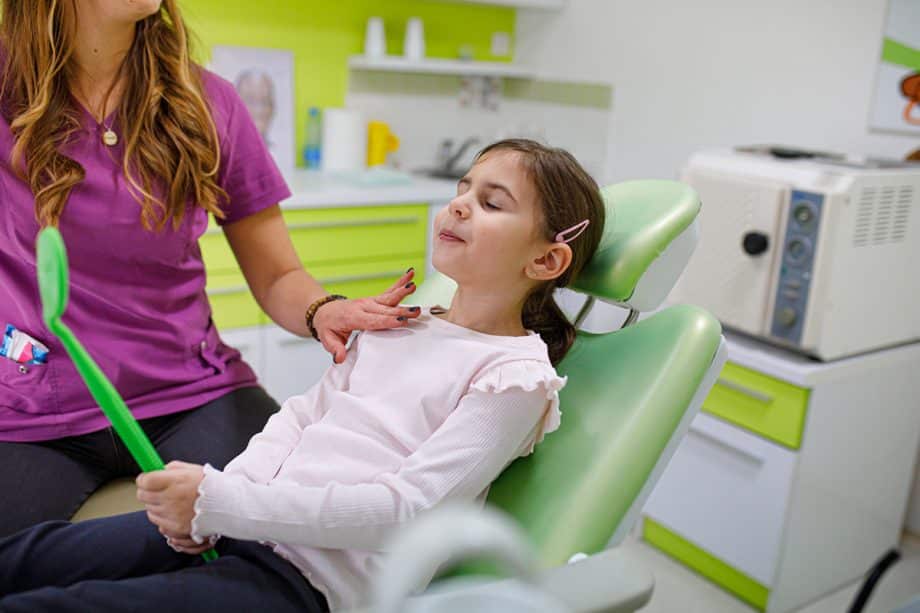
Dental visits can feel overwhelming for some children — and that anxiety is completely normal. When a child needs more support than encouragement alone can provide, sedation dentistry opens the door to stress-free, effective care. Understanding the full arc of a sedation appointment, from the first pre-visit conversation to the final recovery steps at home, helps families walk in prepared and walk out relieved.
We put together this guide to break down what happens at each stage, what options we offer, and how to set your child up for a smooth experience. Whether your child needs a simple cleaning with a little extra calm or a more complex procedure requiring deeper sedation, we tailor our approach to fit their needs — and keep you informed every step of the way.
Preparing Your Child Before a Sedation Appointment
Preparation starts well before your child sits in the dental chair. We take time to review your child's medical background and current treatment plan, then talk through which sedation approach makes the most sense given their age, health, and level of anxiety. Nothing gets decided without your input and understanding.
Starting With a Conversation
Parents play a central role in this process. We build our recommendation around what you share with us — your child's history with anxiety, how they've responded to past dental visits, and any concerns you carry into the appointment. We lay out each sedation option plainly, including the expected benefits and any associated risks so that you can make a well-informed decision alongside our team.
Following Pre-Appointment Instructions
Certain sedation methods come with specific preparation steps that directly affect your child's safety. For oral conscious sedation, we ask that your child stop eating and drinking by midnight the night before the appointment. Sticking to these guidelines ensures the medication performs as intended and reduces any risk of complications during the procedure.
Takeaway: Clear communication and careful preparation before the appointment create the foundation for a safe, calm experience.
Understanding the Types of Sedation We Provide
We offer a range of sedation options because no two children — and no two treatment plans — are alike. Our team walks you through each method and helps you land on the one that suits your child's needs. For a full breakdown, visit our sedation dentistry page, but here's a look at what each approach involves.
Local Anesthesia and Nitrous Oxide
Local anesthesia targets a specific area, numbing the tooth and surrounding gum tissue so your child feels minimal discomfort during treatment. Common agents include Lidocaine and Septocaine, applied either topically or by injection. For children who feel nervous but don't require deeper sedation, nitrous oxide — often called "laughing gas" — offers a reliable, gentle option. Delivered through a small nose mask, it helps your child relax while staying fully awake and breathing on their own. The moment we swap the mask for pure oxygen, the effects clear quickly — typically within minutes.
Oral Conscious Sedation and Deep Sedation
When a child needs more than light relaxation, oral conscious sedation uses a carefully selected combination of medications taken by mouth. Your child stays conscious throughout but feels drowsy and at ease, and many children have little to no memory of the procedure afterward. The medication typically starts taking effect within about 20 minutes. For children with significant dental fear, complex health needs, or extensive treatment requirements, deep IV sedation or general anesthesia provides a deeper level of care, allowing the child to sleep through the procedure entirely. A trained anesthesiologist monitors all vital signs continuously — before, during, and after — to keep the process safe.
Takeaway: Each level of sedation serves a distinct purpose, and we help you find the option that balances effectiveness and safety for your child.
What Recovery Looks Like After Sedation
How quickly your child bounces back depends largely on which sedation method we used. Planning for the recovery period — whether it's a quick return to the school day or a full afternoon of rest at home — removes a lot of the uncertainty parents often feel after an appointment.
After Nitrous Oxide and Local Anesthesia
Nitrous oxide clears the body remarkably fast. Once we administer pure oxygen and remove the nose mask, the sedative effects dissipate within minutes. Most children feel completely back to normal before they even leave the office, which is why same-day return to school is often possible after laughing gas. If we used local anesthesia, the numbing sensation lingers for a few hours — remind your child to avoid chewing in that area until full feeling returns to prevent accidental injury.
After Oral Conscious and Deep Sedation
Oral conscious sedation and general anesthesia take more time to leave the body fully, so your child will need close supervision and plenty of rest following the appointment. Our team coordinates with the anesthesiology staff to monitor your child carefully during the waking phase after deep sedation. We send you home with clear, specific recovery instructions — plan for a quiet, low-activity afternoon and follow our guidance closely to support a smooth recovery.
Takeaway: Recovery looks different depending on the sedation used — knowing what to expect in advance helps you plan and keeps your child comfortable.
Bringing It All Together
Caring for your child's dental health shouldn't come at the cost of their comfort or emotional well-being. Sedation dentistry makes it possible for children to receive the treatment they need — calmly, safely, and without lasting fear attached to the experience. Armed with a clear picture of the preparation, the available options, and the recovery process, you can approach the appointment as a confident, informed partner in your child's care.
Want to explore which sedation option fits your child best? Give us a call at 505-888-3520, and our team will help you find the right path forward and get your child's appointment on the books.
Frequently Asked Questions About Sedation Dentistry for Children
Should I sedate my child for dental work?
That decision belongs to you — and we support it fully. We encourage parents to bring their questions and concerns to us early so that we can talk through each option together. Every child has different needs, every family has different comfort levels, and we take all of that seriously when helping you evaluate the best path for your child's dental care.
Is dental nitrous oxide safe?
Nitrous oxide has a long, well-established safety record in pediatric dentistry. Side effects are rare, mild, and short-lived. Occasionally, a child with a sensitivity to the gas may experience nausea, dizziness, sweating, or shivering — and in very uncommon cases, brief hallucinations. These effects resolve quickly once we remove the mask.
Does nitrous oxide help with pain?
Nitrous oxide works primarily as an anxiety reducer, helping your child feel relaxed and at ease rather than eliminating pain directly. For any procedure that might cause discomfort, we pair nitrous oxide with a local anesthetic to numb the treatment area and keep the entire experience pain-free.
Can kids go back to school after laughing gas?
In most cases, yes. Because nitrous oxide leaves the body so rapidly after the mask comes off, children typically feel fully alert within minutes. That fast turnaround makes it easy to fit a dental appointment into a regular school day without disrupting your child's schedule.
Is it safe to put a child to sleep for dental work?
Deep sedation and general anesthesia do carry risks, and we always discuss those with families in full before proceeding. When a trained anesthesiology team oversees the process and monitors your child throughout, the approach is considered safe — particularly for children whose treatment needs or anxiety levels make lighter sedation insufficient.
At ABQ Pediatric Dentistry, we focus on building positive dental experiences for children throughout Albuquerque, NM. Our board-certified pediatric dentistry team combines clinical expertise with genuine compassion, guiding every child — and every parent — through their care with clarity and confidence. Ready to schedule or just have a question? Get in touch with us.